



















Using Ivermectin to Get Rid of Scabies Effectively
Discover how Ivermectin helps treat scabies effectively. Learn about correct dosage, safety tips, and what to expect during recovery for fast, lasting relief.
Scabies is a skin infestation caused by the Sarcoptes scabiei mite, a microscopic parasite that burrows under the skin, causing intense itching, rashes, and irritation. While scabies is not life-threatening, it is highly contagious and often difficult to treat with topical medications aloneespecially in moderate to severe or crusted cases. Thats where Ivermectin 12 mg, an oral antiparasitic medication, comes into play.
Ivermectin has proven to be a powerful tool in the fight against scabies, particularly when topical treatments like permethrin or sulfur ointments are ineffective or impractical. In this blog, well explore how Ivermectin works, when its prescribed, proper dosage, and important safety considerations to help you or your loved ones get relief faster and more effectively.
What Is Scabies and Why Is It So Stubborn?
Scabies spreads through prolonged skin-to-skin contact, such as between family members or sexual partners, but it can also be picked up from shared clothing or bedding. The mites burrow into the skin to lay eggs, leading to allergic reactions, severe itching, and inflammation.
Common symptoms of scabies include:
-
Intense itching, especially at night
-
Rash with small red bumps or blisters
-
Thin burrow tracks on the skin
-
Sores from scratching, which can become infected
Traditional treatments include topical permethrin cream, which works well in mild cases. However, when infestations become widespread, crusted, or resistant to topical therapy, an oral agent like Ivermectin 6mg may be necessary.
What Is Ivermectin and How Does It Work?
Ivermectin is a broad-spectrum antiparasitic agent thats been used for decades to treat a variety of internal and external parasitic infections. For scabies, Ivermectin works by disrupting the nervous system of the mites, paralyzing and killing them. Its taken orally, which allows the medication to travel through the bloodstream and attack mites throughout the body, including hard-to-reach areas.
Ivermectin is particularly useful in the following situations:
-
Crusted scabies (a severe, contagious form of the disease)
-
Large outbreaks in hospitals, nursing homes, or households
-
When topical treatments fail or cause skin reactions
-
Patients with limited mobility who cant apply cream effectively
-
Immunocompromised individuals who need stronger systemic treatment
How to Take Ivermectin for Scabies
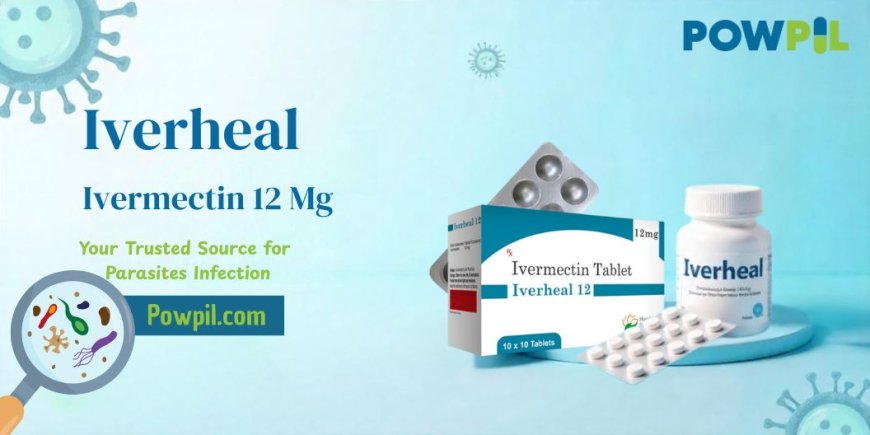
Ivermectin is usually prescribed in tablet form, such as Iverheal (available in 3 mg, 6 mg, and 12 mg doses). The correct dose depends on the patients body weight and severity of the infestation.
General Dosage Guidelines:
-
Standard scabies:
A single oral dose of 200 mcg per kilogram of body weight.
A second dose is often repeated after 714 days to kill newly hatched mites. -
Crusted scabies:
Multiple doses may be neededoften on days 1, 2, 8, 9, and 15.
Topical treatment may be combined with oral Ivermectin for best results.
Example for Adults:
-
A 70 kg adult might take two 12 mg tablets (24 mg total), followed by the same dose a week later.
Note: Always follow your doctors specific dosage instructions. Self-medicating or guessing doses can be dangerous.
How Fast Does Ivermectin Work for Scabies?
Ivermectin doesnt provide instant relief. It begins working shortly after ingestion, but the itching and rash may persist for up to 24 weeks, even after the mites are eliminated. This is due to your immune system continuing to react to dead mites and their waste.
You can manage symptoms during this time with:
-
Antihistamines (for itching)
-
Mild steroid creams (for inflammation)
-
Gentle moisturizers to soothe dry, irritated skin
What to Expect After Treatment
After taking Ivermectin:
-
Avoid scratching to prevent secondary bacterial infections
-
Wash all clothes, bedding, and towels in hot water and dry on high heat
-
Vacuum upholstered furniture and carpets
-
Treat close contacts at the same timeeven if they show no symptoms
Scabies can easily reinfect households if not thoroughly addressed. This is why healthcare professionals often recommend that everyone in the household takes Ivermectin or a topical treatment simultaneously.
Side Effects and Safety Considerations
While Ivermectin is generally well-tolerated, it can cause side effects in some people. These may include:
-
Headache
-
Dizziness
-
Nausea
-
Diarrhea
-
Mild skin rash
-
Fatigue
-
Low blood pressure (rare)
In rare cases, people with high mite burdens (e.g., crusted scabies) may experience a "Mazzotti reaction"a short-term inflammatory response to dying parasites, which includes fever, rash, and swollen lymph nodes. If this occurs, seek medical advice.
Who Should Avoid Ivermectin:
-
Pregnant or breastfeeding women (unless advised by a doctor)
-
Children under 15 kg (33 lbs)
-
People with liver conditions or hypersensitivity to the drug
-
Elderly patients with complex medical histories (use with caution)
Always disclose all medications and health conditions to your doctor before taking Ivermectin.
Can Ivermectin Be Used with Topical Treatments?
Yes. In moderate to severe scabies cases, combination therapy using oral Ivermectin and a topical agent like permethrin is often recommended. This dual approach helps ensure all mites and eggs are eradicated, reducing the chance of reinfestation or treatment failure.
Where to Get Ivermectin for Scabies
Ivermectin requires a prescription in many countries and should only be used under medical supervision. Products like Iverheal are available in strengths of 3 mg, 6 mg, and 12 mg, depending on your weight and clinical need. Make sure to purchase from a reputable source and follow your doctors instructions carefully.
Conclusion
Scabies is more than just an itchy skin conditionit can disrupt sleep, spread quickly, and lower your quality of life. Ivermectin offers a safe, effective, and convenient treatment, especially for stubborn or widespread infestations.
By understanding how and when to use Ivermectin properly, you can stop the cycle of infestation, reduce discomfort, and prevent reinfection. If you or someone in your household has been diagnosed with scabies, speak to a healthcare provider about whether oral Ivermectin is the right option for you.