



















MTBF Telcordia Standards Calculator: Accurate Reliability Estimation for Modern Electronics
Discover how an MTBF Telcordia Standards Calculator helps estimate product reliability. Learn its benefits, use cases, and how it supports electronics lifecycle planning.
Introduction
In todays fast-evolving technology landscape, product reliability isnt just a bonusits a necessity. Whether its telecommunications equipment, aerospace systems, or medical devices, one miscalculation in reliability can lead to product failures, costly recalls, and reputational damage.
Thats where the MTBF Telcordia Standards Calculator comes into play. This specialized tool uses the well-established Telcordia SR-332 standard to estimate Mean Time Between Failures (MTBF) for electronic components and systems, helping engineers make data-driven reliability decisions during the design, testing, and lifecycle planning phases.
This blog explores what the MTBF Telcordia calculator is, how it works, and why it matters in your product development process.
What Is an MTBF Telcordia Standards Calculator?
An MTBF Telcordia Standards Calculator is a software tool that calculates the expected mean time between failures of electronic components using the Telcordia SR-332 standard. This standard was developed by Telcordia Technologies (formerly Bellcore) and is widely accepted for reliability prediction in commercial and telecommunications equipment.
Unlike older standards like MIL-HDBK-217, which primarily focus on military applications, Telcordia SR-332 is designed with commercial reliability demands in mind. The calculator helps predict how long systems will operate before experiencing a failure, based on real-world environmental and operational conditions.
Why Use Telcordia SR-332 Over Other Standards?
The Telcordia SR-332 standard is favored in many industries for several reasons:
-
Commercial Relevance: Designed specifically for commercial and telecom applications, not military systems.
-
Field Failure Data: Incorporates empirical field data, making predictions more realistic.
-
Adjustable Parameters: Accounts for environmental stress, operating profile, quality level, and more.
-
Detailed Outputs: Provides failure rates, FIT (Failures In Time) metrics, and MTBF.
By leveraging a calculator based on Telcordia SR-332, you align your reliability predictions with standards accepted by leading commercial manufacturers and service providers.
How Does the Calculator Work?
An MTBF calculator based on Telcordia standards typically works through the following steps:
1. Component Selection
You start by defining your systems componentsresistors, capacitors, processors, PCBs, connectors, etc.along with their specifications.
2. Input Environmental Data
Specify the environment (e.g., ground benign, ground fixed, airborne, etc.) and temperature range in which the product will operate. Telcordia factors in environmental stressors that impact failure rates.
3. Operating Profile
Input the duty cycle (e.g., 24/7 operation or 8 hours/day), expected life duration, and the use case.
4. Quality and Manufacturing Data
Telcordia SR-332 includes quality level multipliers. The tool allows you to select the appropriate levels based on manufacturing processes and part sourcing.
5. Run Analysis
After all variables are input, the tool calculates:
-
Component failure rate (?)
-
System-level MTBF
-
Failure rates in FIT (Failures per billion hours)
-
Reliability curves over time
6. Reporting
You can generate charts, tables, and downloadable reports for internal documentation or external certification.
Who Should Use a Telcordia MTBF Calculator?
The tool is widely used across industries where product performance and lifecycle cost matter. This includes:
-
Telecom Equipment Manufacturers
-
Consumer Electronics Designers
-
Medical Device Developers
-
Automotive and Aerospace Engineers
-
Reliability Consultants and Analysts
For example, a telecommunications company designing a central office switch may use a Telcordia MTBF calculator to ensure their system meets reliability expectations under continuous 24/7 operation.
Real-World Use Case: Improving Field Uptime
Scenario: A broadband router company had high failure rates in certain markets, especially in tropical climates. Using a Telcordia-based MTBF calculator, their engineers ran new environmental stress profiles, revealing that several capacitors were failing prematurely due to humidity-related stress.
Result:
By swapping in more robust components rated for higher humidity and adjusting their PCB layout, they:
-
Improved system MTBF by 35%
-
Reduced returns and warranty claims by 22%
-
Extended average product uptime by 14 months
Limitations of Telcordia MTBF Calculators
While useful, these tools are not flawless:
-
Not Real-Time: They offer static predictions, not dynamic monitoring.
-
Dependent on Accurate Inputs: Garbage in, garbage outensure precise data entry.
-
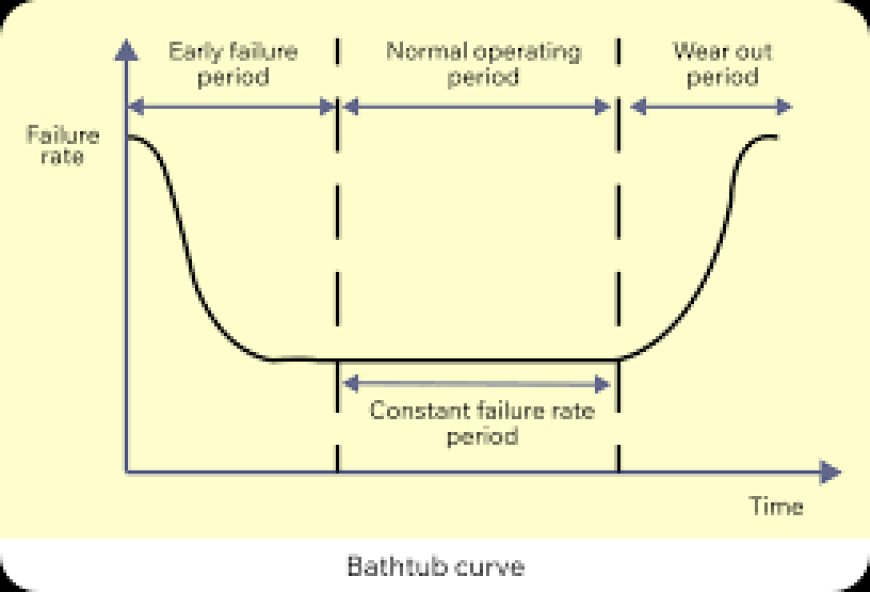
Doesnt Predict Wear-Out: MTBF assumes a constant failure rate, which may not reflect real wear-out mechanisms over time.
Despite these limitations, Telcordia-based predictions offer an excellent starting point for risk assessment and design validation.
Conclusion
A Telcordia MTBF Standards Calculator is more than just a number-crunching toolits a strategic resource that helps teams build more reliable products, reduce costs, and deliver better user experiences. By estimating failure rates with industry-accepted standards, engineers can prevent problems before they occur and ensure products stand up to real-world conditions.
Whether youre managing a product line, building critical infrastructure, or launching a new device, integrating MTBF prediction early in the development cycle gives your project a powerful edge.
FAQs
Q1: Is Telcordia SR-332 the most accurate MTBF model?
Its one of the most trusted models for commercial applications due to its field-based data and flexible parameters.
Q2: Can small teams use MTBF calculators?
Yes. Many tools offer cloud-based or budget-friendly versions suitable for startups and SMEs.
Q3: Do these tools support mixed environments?
Advanced tools allow for multi-environmental simulations, such as products used in varying climates or usage modes.