


















How to Manage a Hybrid Clinic: EHR Tips for In-Person & Virtual Care
Discover how to efficiently manage a hybrid clinic with these expert EHR tips. Learn how to streamline in-person and virtual care, optimize scheduling, enhance patient engagement, and ensure data security with the right Electronic Health Record system.

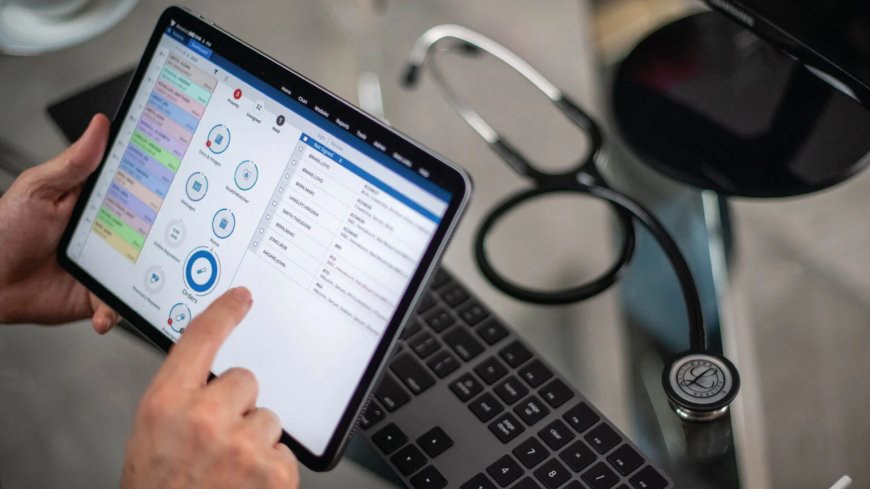
In todays rapidly evolving healthcare landscape, the hybrid clinic modeloffering both in-person and virtual carehas emerged as a smart, flexible approach to meet patient needs. As more healthcare providers adopt this model, one thing becomes abundantly clear: efficient management requires a powerful and adaptable Electronic Health Record (EHR) system. EHRs serve as the digital backbone of modern clinics, enabling streamlined operations, enhanced patient experiences, and seamless transitions between virtual and physical appointments.
This article provides essential EHR tips for healthcare professionals looking to manage a hybrid clinic effectively while maintaining high standards of care and operational excellence.
1. Choose a Cloud-Based EHR System
When managing a hybrid clinic, accessibility is key. A cloud-based EHR system allows healthcare providers and administrative staff to access patient records, appointment data, and communication tools from any device with an internet connection. This flexibility is vital for virtual consultations, remote staff collaboration, and mobile healthcare services.
Cloud-based EHRs also eliminate the need for bulky hardware and reduce the risks associated with data loss. Many modern platforms offer real-time syncing, ensuring that patient data is instantly updated regardless of whether the appointment occurs in a physical office or online.
2. Optimize Scheduling for Dual Workflows
In a hybrid clinic, scheduling becomes more complex than in a traditional setting. A good EHR should support integrated scheduling features that differentiate between in-person and virtual appointments. By color-coding, labeling, or tagging appointments accordingly, staff can easily manage daily workflows.
Additionally, EHRs should support features like automated appointment reminders (via SMS or email), digital check-ins, and buffer time between virtual visits. This reduces no-shows, minimizes delays, and enhances the overall efficiency of hybrid operations.
3. Ensure Telehealth Integration
An Electronic Health Record System that seamlessly integrates with telehealth platforms is non-negotiable for a hybrid clinic. The ability to launch a virtual consultation directly from the EHR interface, access patient notes during the session, and document the encounter in real time saves valuable time and ensures accuracy.
Look for EHRs with built-in video conferencing tools or those that integrate with popular telemedicine platforms. Additionally, ensure that the system offers secure, HIPAA-compliant video and chat capabilities to protect patient confidentiality.
4. Streamline Documentation and Charting
Hybrid clinics often handle a greater volume of documentation due to the variety of patient interactions. Efficient charting tools, such as customizable templates, voice-to-text capabilities, and pre-set SOAP note formats, can speed up documentation without sacrificing quality.
EHRs that allow auto-fill from previous visits or patient histories can further reduce administrative burden. This is particularly useful when managing chronic conditions across both physical and virtual encounters.
5. Use Patient Portals to Empower Self-Service
One of the biggest benefits of hybrid care is patient empowerment. A robust patient portal integrated with your EHR can enhance the patient experience by allowing them to:
-
Book or cancel appointments
-
View lab results and prescriptions
-
Access virtual consultation links
-
Communicate with providers via secure messaging
-
Upload documents or health data from wearables
By shifting these routine tasks online, staff can focus on more critical aspects of patient care and clinic management.
6. Maintain Consistent Clinical Workflows
Consistency in workflows across both care modes is essential to avoid confusion and ensure continuity of care. Your EHR should support customizable workflows that mirror in-person protocols in the virtual space. This includes:
-
Standardizing how patient intake is handled
-
Maintaining identical documentation procedures
-
Applying the same follow-up and referral protocols
-
Using unified billing and coding structures
When clinical staff follow a standardized workflow, it helps maintain quality, improves staff training, and ensures compliance with medical regulations.
7. Train Staff and Patients on Hybrid Tools
Transitioning to a hybrid model isnt just about Patient Management Softwareits also about people. Staff training should include how to operate telehealth tools, navigate the EHR system, troubleshoot technical issues, and maintain patient engagement virtually.
Similarly, patients need guidance on how to join virtual visits, use the portal, and update their health information online. Many EHR systems offer educational resources or customizable welcome packets that clinics can share with patients.
8. Ensure Data Privacy and Compliance
Hybrid care introduces new cybersecurity and compliance challenges. Make sure your EHR provider complies with healthcare regulations such as HIPAA and local data protection laws. Features to look for include:
-
End-to-end encryption of video and messaging
-
Two-factor authentication for users
-
Role-based access controls
-
Regular system audits and backups
Protecting patient data is not just a legal requirementits also essential for building trust in your hybrid services.
9. Leverage Analytics for Growth
EHR systems with built-in analytics can help hybrid clinics identify trends, track patient outcomes, and optimize operational performance. Use dashboards and reports to evaluate:
-
Appointment no-show rates
-
Virtual vs. in-person visit preferences
-
Provider productivity
-
Revenue streams from different services
These insights enable informed decision-making, better resource allocation, and continual improvement of both clinical and business strategies.
Conclusion
Managing a hybrid clinic is no longer a future visionits todays reality. By leveraging the full capabilities of a modern, integrated EHR system, healthcare providers can efficiently balance in-person and virtual care. From scheduling and documentation to patient communication and analytics, EHRs play a pivotal role in ensuring that hybrid clinics deliver consistent, high-quality care across all channels.
With the right tools and workflows in place, hybrid clinics can meet modern patient expectations, improve outcomes, and stay competitive in an increasingly digital healthcare environment.