


















How to make Annapurna Sanctuary Trek Considered A Jaw-Dropping Experience.
Learn how to make your Annapurna Sanctuary Trek unforgettable with expert tips on the best seasons, cultural experiences, route planning, packing essentials, altitude management, and capturing stunning views. Discover how preparation and local connections turn this iconic Nepal trek into a breathtaking adventure.
How to make Annapurna Sanctuary Trek Considered A Jaw-Dropping Experience.
The Annapurna Sanctuary Trek, also known as the Annapurna Base Camp Trek, is one of the most stunning journeys in Nepal. With a bit of preparation and the right attitude, you can make it an incredible experience that mixes nature, culture, and personal achievement.
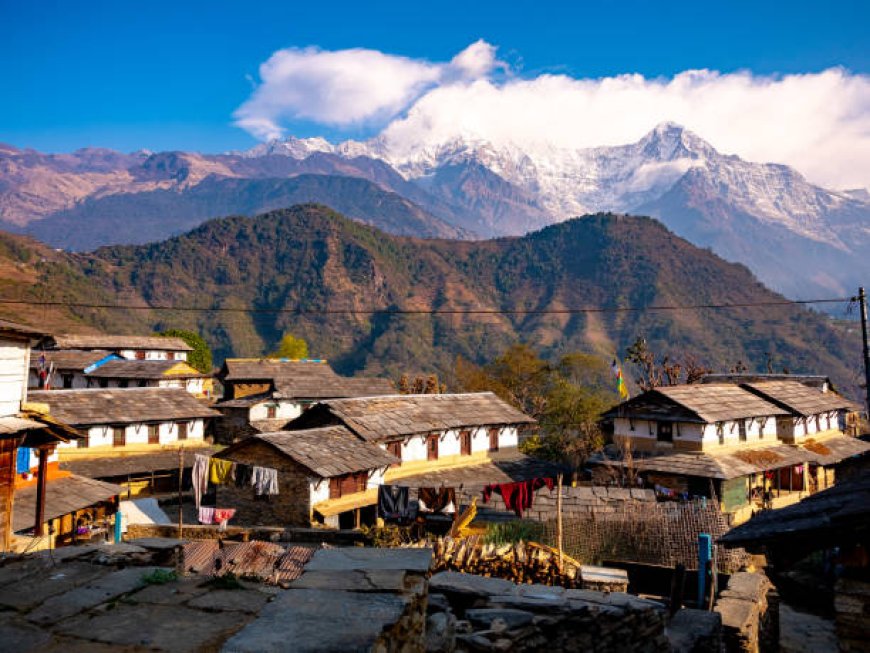
First off, pick the right time for your trek. Autumn (OctoberNovember) or spring (MarchMay) are great choices for clear skies, nice weather, and beautiful scenery. In spring, the rhododendron trees are in full bloom, and autumn gives you the best views of the snow-capped peaks like Annapurna I and Machapuchare.
Next, get a taste of the local culture. Stay in family-run teahouses, chat with Gurung and Magar villagers, and enjoy the local food. Learning a few Nepali phrases can help you connect with people.
Take your time on the trail. Dont rushstop to enjoy the waterfalls, terraced fields, and the sunrises at Machapuchare Base Camp or ABC. Getting up early to see the sun lighting up the mountains is something you wont forget.
To make the experience even richer, think about journaling or taking photos, or sketching. This will help turn the trek into a personal adventure, not just a physical challenge.
Finally, get yourself ready, both physically and mentally. Being fit will help you enjoy the trek more, and having the right mindsetlike being grateful, patient, and resilientwill turn any tough moments into opportunities for growth.
The Annapurna Sanctuary Trek offers much more than just a pretty hike. It's all about the stunning scenery, finding peace within yourself, and making meaningful connections. With the right approach, it can be a truly unforgettable experience.
Planning Your Trek for the Best Weather and Timing
When it comes to making the most of your time at Annapurna Base Camp, planning around the weather is key. The prime seasons are spring (March to May) and autumn (September to November), when the skies are clearer and temperatures are more comfortable. Try to steer clear of the monsoon season (June to mid-September) since the rains can make trails slippery, and winter (December to February) is only for those ready for the cold and snow. Timing your trek to avoid busy holidays is smart, and dont forget to give yourself enough time to acclimatize and deal with any unexpected delays. Before you head out, check trail conditions, local events, and weather updates. It's also a good idea to book permits, guides, and places to stay ahead of time to dodge last-minute headaches. Planning your timing right not only keeps your trek safe but also gives you a chance to take in the beautiful mountain views and vibrant culture of the Annapurna area.
Choosing the Best Route and Acclimatization Stops
Picking the right route and when to take acclimatization breaks is super important for a safe and pleasant trek to Annapurna Base Camp. The usual path goes through charming villages like Ghorepani, Chhomrong, and Bamboo, gradually getting higher to help your body adjust. Be sure to schedule acclimatization days at spots like Ghorepani or Chhomrong, or maybe add a side trip to Poon Hill for some fantastic views. Taking your time to ascend will help you avoid altitude sickness and tiredness. Dont rush to reach the base camp; go at a steady pace with plenty of breaks. Talk with your guide to customize the itinerary based on how fit you are and what you need for acclimatization. Good route planning means youll enjoy the breathtaking Annapurna Sanctuary while staying safe.
Packing Essentials for Comfort and Safety
Packing wisely is crucial for comfort and safety on the trek to Annapurna Base Camp. Bring sturdy, waterproof hiking boots with good grip, plus moisture-wicking socks to avoid blisters. Layered clothing is smart to adapt to changing temperaturesfrom warm base layers to insulated jackets and raincoats. A decent sleeping bag rated for cold nights, trekking poles for stability, and a good-quality backpack with a rain cover are must-haves. Dont skimp on sun protection like sunglasses, sunscreen, and a hat, since the UV rays are stronger up high. Throw in a first-aid kit, water purification tablets, and personal hygiene items to stay healthy. Dont forget electronics like a headlamp, power bank, and camera to capture memories and help with navigation. A solid packing list can help you avoid discomfort and stay safe on this challenging trek.
Hiring Experienced Guides and Support Staff
Bringing along knowledgeable guides and support staff can take your Annapurna Base Camp trek from ordinary to extraordinary. Local guides know the trails, weather, and culture, making your trip richer. They help you navigate tough spots, keep an eye on your health for signs of altitude sickness, and connect with locals. Porters can help lighten your load, letting you save energy for the trek ahead, while cooks whip up tasty meals to keep you fueled. Working with licensed guides supports the community and ensures that you follow trekking rules. Their expertise helps keep you safe, especially in emergencies or if the weather suddenly changes. Look for guides with good reviews, proper credentials, and solid communication skills. Investing in skilled support staff enhances both your safety and the cultural experience of your Annapurna trip.
Capturing the Views and Hidden Gems
The trek to Annapurna Base Camp is full of chances to snap stunning scenery and uncover hidden gems. The iconic sights of Annapurna I, Machapuchare, and Dhaulagiri are perfect for sunrise and sunset photos, especially from places like Poon Hill and Machapuchare Base Camp. Take some time to wander off the main trail and find quieter villages like Chhomrong and Sinuwa, where you can see traditional ways of life. Keep an eye out for beautiful waterfalls, rhododendron forests, and snow-capped peaks against blue skies. Use different angles for your shotswide lenses for sweeping views, and close-ups for plants and cultural details. Always ask permission before photographing locals. A lightweight camera or smartphone with extra batteries or power banks is a must for capturing your adventure. Thoughtful photography helps you save memories and connects you to the natural and cultural beauty of the Annapurna area.
Embracing Local Culture and Interactions
Getting involved in the local culture adds depth to your Annapurna Base Camp trek beyond just the stunning views. The area is home to local groups like the Gurung and Magar, whose traditions and hospitality make your journey unique. Staying in family-run teahouses gives you a taste of real Nepali food and daily life. Learn a few basic Nepali greetings to connect with villagers and guides. If your trek aligns with local festivals like Dashain or Tihar, dont miss out on experiencing these lively celebrations. Be respectful of local customs by dressing modestly and acting courteously. Sharing stories and meals builds connections and gives you a glimpse into Himalayan culture. Engaging with locals can turn your trek into a memorable cultural adventure.
Staying Physically and Mentally Prepared
Being physically fit and mentally ready is crucial for a successful trek to Annapurna Base Camp. Getting into a routine of cardiovascular exercise, strength training, and hiking in the months leading up to your trek will prepare your body for the high altitude and long days on rugged paths. Mentally, set realistic goals and embrace any discomfort as a part of the journey. Practice mindfulness or meditation to keep stress in check and stay present. Find a steady pace and listen to your body. Building stamina keeps you from getting too tired and helps you avoid injuries. Eating well and staying hydrated are key to boosting your energy. Staying positive during tough moments, like dealing with altitude sickness or bad weather, can turn challenges into growth opportunities, ensuring that you enjoy every step of your Himalayan trek.
Managing Altitude Sickness
Altitude sickness can be a problem on the Annapurna Base Camp trek due to the quick elevation changes. To manage it well, take your time to go up and allow for acclimatizationgenerally, one rest day for every 300-500 meters above 3,000 meters. Drink plenty of water and skip alcohol, which can make symptoms worse. Be on the lookout for early signs like headaches, nausea, dizziness, and fatigue. If things get bad, head down to a lower altitude and seek medical help. Some trekkers take medication like acetazolamide (Diamox), but check with a doctor first. Keep in touch with your guide about how youre feeling. Dont ignore serious symptoms, as altitude sickness can get serious quickly. Good planning, pacing, and awareness are key to safely enjoying the heights of Annapurna Base Camp.
Experiencing Sunrise and Sunset at Key Viewpoints
Sunrise and sunset on the trek to Annapurna Base Camp are moments you wont want to miss. Poon Hill, a popular lookout point near Ghorepani, offers amazing dawn views of the Annapurna and Dhaulagiri peaks glowing in pink and gold. Get there early to witness the mountains wake up in quiet beauty. Similarly, watching the sunset from Machapuchare Base Camp lights up the famous Fish Tail peak with warm colors, creating a striking view against the evening sky. Bring a headlamp and warm clothes for those early mornings or late evenings. These magical moments reward your efforts with peace and inspiration. Make sure to plan your daily schedule to include time for these breathtaking vistas, using them as chances to relax and soak in the beauty of the Himalayas.
Reflecting on the Journey to Enhance the Experience
Taking time to reflect on your experiences during the Annapurna Base Camp trek helps turn the physical challenge into a deeper journey. Each day, take a few moments to write in a journal, meditate, or simply sit and soak in the surroundings. Think about how this trek pushed your limits, taught you patience, or changed your perspective. Sharing stories with fellow trekkers and locals can provide fresh insights and deepen your understanding of the experience. When you return, going over photos and notes will help keep those memories alive and remind you of what youre grateful for. Reflecting also helps you take the lessons learned back into your everyday life, whether its about being resilient, humble, or full of awe. By staying mindful and looking inward, you turn a beautiful trek into an adventure that matters for both your body and soul.
How tough is the Annapurna Sanctuary trek?
The Annapurna Sanctuary trek, also known as the Annapurna Base Camp trek, is seen as moderate to tough. Youll face some rough and steep paths, reaching heights of about 4,130 meters (13,550 feet). It needs decent fitness and stamina, along with time for your body to adjust to the altitude. You dont need technical climbing skills, but be ready for long days of walking, changing weather, and the effects of altitude. Its doable for most people who are well-prepared, whether you're a beginner or an experienced hiker.
Whats the toughest part of the Annapurna Base Camp trek?
The hardest part is typically the last stretch up to Annapurna Base Camp. This section has a steep climb over rocky and sometimes icy ground, plus the air gets thinner the higher you go. After days of trekking, you might feel wiped out, making that final push quite challenging. The trail to Machapuchare Base Camp, just before ABC, is also really steep.
Whats the death rate for the Annapurna Base Camp trek?
The death rate for the Annapurna Base Camp trek is pretty low compared to high-altitude climbing, but there are still risks like altitude sickness and falls. While exact numbers can vary, fatalities aren't common if trekkers follow safety tips, acclimate properly, and go with guides. Climbing routes in the Annapurna massif have more dangers, but the trek to base camp is safer when youre well-prepared.
Is Annapurna Sanctuary the same as Base Camp?
Yes, the Annapurna Sanctuary is a natural area filled with high peaks surrounding the Annapurna Base Camp (ABC). So, when you trek to ABC, youre entering the sanctuary. Essentially, the Annapurna Sanctuary is the larger area, while ABC is the main spot where people rest.