


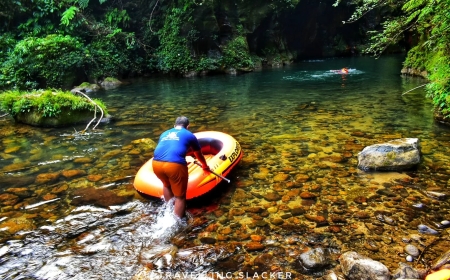

















How to Hike Del Valle Regional Park Oakland
How to Hike Del Valle Regional Park Oakland Del Valle Regional Park, nestled in the eastern hills of the San Francisco Bay Area, offers one of the most rewarding and accessible hiking experiences near Oakland. Spanning over 3,000 acres of rolling grasslands, oak woodlands, and riparian corridors, this regional gem is managed by East Bay Regional Park District and provides visitors with a rare blen

How to Hike Del Valle Regional Park Oakland
Del Valle Regional Park, nestled in the eastern hills of the San Francisco Bay Area, offers one of the most rewarding and accessible hiking experiences near Oakland. Spanning over 3,000 acres of rolling grasslands, oak woodlands, and riparian corridors, this regional gem is managed by East Bay Regional Park District and provides visitors with a rare blend of natural beauty, historical significance, and recreational diversity. Unlike more crowded parks in the region, Del Valle remains relatively undiscovered, making it an ideal destination for hikers seeking solitude, scenic vistas, and a true escape from urban life.
Whether you're a seasoned trail enthusiast or a first-time hiker, understanding how to navigate Del Valle Regional Park effectively can transform a simple outing into a memorable, safe, and enriching adventure. This guide provides a comprehensive, step-by-step roadmap to hiking Del Valle Regional Parkfrom planning and preparation to trail selection, safety protocols, and post-hike reflection. With detailed insights, real-world examples, and curated resources, youll gain everything you need to explore this hidden treasure with confidence and competence.
Step-by-Step Guide
Step 1: Research and Plan Your Visit
Before setting foot on any trail, thorough research is essential. Del Valle Regional Park is vast, with multiple trailheads, varying elevations, and seasonal conditions that can significantly impact your experience. Start by visiting the official East Bay Regional Park District website (ebparks.org) to review current park alerts, trail closures, and weather advisories. Pay attention to fire restrictions, trail maintenance notices, and wildlife activity reportsespecially during dry months when rattlesnakes may be more active.
Decide on your primary goal: Are you seeking a strenuous uphill climb, a gentle family-friendly stroll, or a scenic loop with panoramic views? Del Valle offers trails ranging from 1 to 8 miles, with difficulty levels from easy to moderate. Popular entry points include the main park entrance off Del Valle Parkway, the Bollinger Canyon Road entrance, and the smaller, lesser-known trailhead near the dam. Each offers different access to trail networks.
Plan your visit for early morning or late afternoon, especially during summer. Midday temperatures can soar above 90F, and shade is limited on many trails. Weekdays are less crowded than weekends, offering a more tranquil experience. Check the parks calendar for guided nature walks or educational programsthese are excellent opportunities to learn about local flora, fauna, and geology from park naturalists.
Step 2: Choose the Right Trail for Your Skill Level
Del Valles trail system is interconnected, but not all trails are created equal. Here are three recommended routes based on experience level:
Beginner: The Lake Loop Trail (1.5 miles)
This paved, wheelchair-accessible loop circles the parks reservoir and is ideal for families, strollers, and those seeking a relaxed walk. The trail offers gentle elevation changes, interpretive signage about waterfowl and native plants, and multiple picnic spots. Its also one of the few trails with restroom access nearby.
Intermediate: Bollinger Canyon Trail to Hidden Falls (4.5 miles round trip)
Starting at the Bollinger Canyon Road entrance, this trail ascends gradually through oak woodlands before reaching a seasonal waterfall and rocky outcrop. The trail is well-marked but includes some uneven terrain and loose gravel. The reward is a secluded viewpoint overlooking the valley and, during spring runoff, a cascading waterfall that feeds into the creek below. Bring waterthere are no sources along the trail.
Advanced: Ridge Trail to Mount Diablo Viewpoint (7.5 miles round trip)
For experienced hikers, this route begins at the main park entrance and ascends via the Ridge Trail, connecting with the larger Bay Area Ridge Trail system. The climb is steady and exposed, with minimal shade. The final viewpoint offers a 360-degree panorama that includes Mount Diablo, the San Joaquin Valley, and on clear days, the Farallon Islands. This trail requires strong navigation skills, as trail markers are sparse in the upper sections. A GPS device or offline map is strongly recommended.
Always verify trail conditions before departure. Some trails may be closed due to erosion, landslides, or wildlife preservation efforts. The East Bay Parks app provides real-time updates and downloadable trail maps.
Step 3: Pack the Essentials
Even on short hikes, preparation can mean the difference between a pleasant outing and an emergency. The following items are non-negotiable:
- Water: Carry at least 2 liters per person. There are no potable water sources on most trails. Consider a hydration bladder for convenience.
- Snacks: High-energy foods like trail mix, energy bars, or dried fruit help maintain stamina. Avoid heavy, greasy foods.
- Footwear: Sturdy hiking shoes or trail runners with good grip are essential. The parks terrain includes loose shale, mud, and rocky paths. Avoid sandals or worn-out sneakers.
- Navigation Tools: A physical map and compass are backups to your smartphone. Cell service is unreliable in many areas. Download offline maps via Gaia GPS or AllTrails before you go.
- Sun Protection: Wide-brimmed hat, sunglasses, and broad-spectrum sunscreen (SPF 30+) are critical. The park has little tree cover on exposed ridges.
- First Aid Kit: Include bandages, antiseptic wipes, tweezers (for ticks or splinters), and any personal medications.
- Emergency Gear: A lightweight emergency blanket, whistle, and fully charged power bank for your phone can be lifesaving.
Do not rely on park facilities for supplies. The visitor center at the main entrance has a small gift shop with limited snacks and water, but its not a reliable resource for emergency needs.
Step 4: Enter the Park and Begin Your Hike
Del Valle Regional Park is open daily from 7:00 AM to sunset. The main entrance is located at 3200 Del Valle Parkway, Livermore, CAapproximately 25 miles from downtown Oakland. There is a $10 vehicle entry fee, payable at the self-service kiosk. Cash and credit cards are accepted. Alternatively, you can use an annual East Bay Regional Park District pass if you plan to visit multiple parks.
Once inside, follow signs to your chosen trailhead. Parking is abundant at all major trailheads, but arrive early on weekends to secure a spot near the trailhead. Avoid parking on unpaved shoulders or blocking gatesthis can result in towing.
Before starting your hike, take a moment to orient yourself. Identify your trails starting point, note any trail markers or signs, and mentally map your return route. If hiking solo, leave your itinerary with a friend or family member. Include your planned trail, expected return time, and vehicle description.
As you begin, walk at a steady pace. Many hikers make the mistake of starting too fast, leading to early fatigue. Focus on your breathing, maintain good posture, and take short breaks every 3045 minutes to hydrate and assess your condition.
Step 5: Navigate the Trail Safely
Trail navigation in Del Valle requires awareness and adaptability. Here are key tips for staying on course and avoiding hazards:
- Follow Marked Trails: Stick to designated paths. Venturing off-trail can damage sensitive habitats and increase your risk of getting lost or injured.
- Watch for Trail Markers: Look for painted blazes (usually white or orange) on trees and rocks. These indicate trail continuity. If you lose sight of them, stop and retrace your steps.
- Be Aware of Wildlife: Deer, coyotes, wild turkeys, and rattlesnakes are common. Give all animals space. Never feed wildlife. If you encounter a rattlesnake, remain calm, back away slowly, and give it a wide berth.
- Check for Poison Oak: This plant is abundant in Del Valle. Learn to identify it by its three glossy leaflets. Wear long pants and avoid brushing against vegetation. If exposed, wash the area immediately with soap and cool water.
- Weather Awareness: Conditions can change rapidly. If dark clouds roll in or you hear thunder, seek shelter immediately. Lightning strikes are a real risk on exposed ridges.
Always hike with a buddy if possible. If you must go alone, inform someone of your plans and check in upon return. Consider carrying a personal locator beacon (PLB) for remote sections of the Ridge Trail.
Step 6: Respect the Environment
Del Valle Regional Park is a protected natural area. As a visitor, you play a critical role in preserving its integrity. Follow Leave No Trace principles:
- Carry out all trashincluding food wrappers, fruit peels, and biodegradable items.
- Use designated restrooms or dig a cathole 68 inches deep at least 200 feet from water sources if nature calls.
- Do not pick flowers, remove rocks, or disturb historical artifacts.
- Keep noise levels low. This is a sanctuary for wildlife and other visitors seeking peace.
- Keep dogs on a leash at all times. Even well-behaved pets can stress native animals or trigger defensive behavior in wildlife.
By practicing responsible recreation, you help ensure that future generations can enjoy the same unspoiled beauty you experienced.
Step 7: Complete Your Hike and Reflect
When you return to your vehicle, take a moment to cool down. Stretch your legs, rehydrate, and inspect your body for ticks, scrapes, or signs of overheating. Ticks are common in tall grassescheck behind your knees, in your armpits, and along your hairline.
Consider journaling your experience. Note the trails you hiked, wildlife sightings, weather conditions, and how you felt physically and emotionally. This reflection not only deepens your connection to nature but also helps you refine future hikes.
Share your experience responsibly. Post photos on social media, but avoid geotagging exact trail locations if theyre fragile or prone to overuse. Instead, tag the parks official page to support conservation awareness.
Best Practices
Timing and Seasonality
The best time to hike Del Valle Regional Park is during the spring (MarchMay) and fall (SeptemberNovember). Spring brings wildflower bloomslook for lupine, goldfields, and poppies dotting the hillsides. Fall offers cooler temperatures and vibrant golden grasses. Summer is hot and dry; plan hikes for early morning only. Winter can be wet and muddy, but trails are less crowded and the landscape is lush.
Hydration and Nutrition
Dehydration is the most common hiking issue in Del Valle. Even short hikes can cause fluid loss due to sun exposure and exertion. A good rule of thumb: drink liter of water every hour in warm weather. Electrolyte tablets or sports drinks can help maintain mineral balance on longer treks. Avoid alcohol and caffeine before or during your hikethey accelerate dehydration.
Trail Etiquette
Del Valle sees fewer visitors than nearby parks like Lake Chabot or Tilden, but that doesnt mean you can ignore trail etiquette. Yield to uphill hikerstheyre working harder. Step aside on narrow paths to let others pass. Keep music to headphones only. Respect quiet zones and designated wildlife corridors.
Physical Preparation
Even moderate trails in Del Valle involve elevation gain and uneven terrain. Build endurance with regular walks, stair climbing, or light cardio 23 weeks before your hike. Strengthen your ankles and core with balance exercises. Wearing your hiking boots around the house for short periods helps break them in and prevents blisters.
Navigation and Technology
While smartphones are useful, theyre not foolproof. Download offline maps from AllTrails or Gaia GPS. Enable location sharing with a trusted contact. Bring a physical topographic map of the parkavailable at the visitor center or downloadable from ebparks.org. Learn basic map-and-compass skills; theyre invaluable when technology fails.
Emergency Preparedness
Cell service is spotty. In case of injury or emergency:
- Use your phones SOS feature if you have signal.
- Blow a whistle in sets of threea universal distress signal.
- If youre lost, stay put. Moving increases risk and makes rescue harder.
- Carry a reflective emergency blanket to retain body heat and signal rescuers.
Know the parks emergency number: (510) 544-3224. This is the non-emergency dispatch for East Bay Parks. For life-threatening situations, call 911.
Tools and Resources
Official Resources
- East Bay Regional Park District Website: ebparks.org Park hours, trail maps, alerts, and educational programs.
- Del Valle Park Map (PDF): Download the official trail map from the Parks section under Del Valle Regional Park. Includes elevation profiles and points of interest.
- EBRPD Mobile App: Available for iOS and Android. Provides real-time trail conditions, parking availability, and interactive maps.
Navigation Apps
- Gaia GPS: Offers detailed topographic maps, offline access, and route recording. Highly recommended for advanced trails.
- AllTrails: User reviews, photos, and trail difficulty ratings. Great for beginners seeking crowd-sourced insights.
- Google Maps (Offline Mode): Download the Del Valle area for basic navigation. Less accurate for off-road trails.
Gear Recommendations
- Footwear: Merrell Moab 3 or Salomon X Ultra 4 GTX
- Backpack: Osprey Talon 22 or Deuter Speed Lite 20
- Water: CamelBak Crux Reservoir (2L) or Nalgene bottle with filter
- Navigation: Suunto MC-2 Global Compass
- First Aid: Adventure Medical Kits Ultralight/Watertight .7
- Weather Gear: Columbia Bugaboo II Interchange Jacket
Books and Guides
- Hiking the East Bay Hills by Susan J. Bandy Includes detailed trail descriptions for Del Valle and surrounding parks.
- California Wildflowers: A Guide to Common Species by David B. Hall Helps identify seasonal blooms along trails.
- Leave No Trace: Tips for the Outdoor Enthusiast Published by the Leave No Trace Center for Outdoor Ethics. Essential reading for responsible hiking.
Community and Learning
Join the East Bay Hikers Facebook group or the Bay Area Trail Runners Association. These communities share real-time trail updates, organize group hikes, and offer mentorship for new hikers. Local libraries in Oakland and Livermore often host free nature photography or trail safety workshops.
Real Examples
Example 1: The First-Time Hiker Marias Lake Loop Experience
Maria, a 58-year-old retiree from Oakland, had never hiked before. Inspired by her granddaughters school nature program, she decided to try Del Valles Lake Loop Trail. She arrived at 8:30 AM on a Saturday, paid the entry fee, and followed the paved path around the reservoir. She noted the interpretive signs about ducks, turtles, and native willows. She brought a small picnic and sat under an oak tree, listening to birdsong. I didnt realize how peaceful it could be, she said. I felt like I was miles away from the city, even though I was only 20 minutes from home. Maria returned the next week with her husband and now volunteers for the parks Nature for Seniors program.
Example 2: The Solo Adventurer Jamals Ridge Trail Challenge
Jamal, a 32-year-old software engineer from Berkeley, wanted to test his endurance. He chose the Ridge Trail to the Mount Diablo Viewpoint. He packed a GPS device, extra water, and a lightweight down jacket. The climb took him 3.5 hours. He encountered a rattlesnake near a switchback and calmly backed away. At the summit, he watched the sunset paint the valley in hues of orange and violet. It was the most alone Ive ever feltand the most connected, he wrote in his journal. I didnt need to be with anyone to feel whole.
Example 3: The Family Outing The Tran Familys First Hike
The Tran familyparents and two children aged 7 and 10visited Del Valle on a crisp October morning. They hiked the Bollinger Canyon Trail to Hidden Falls. The kids loved spotting acorns and listening for woodpeckers. The parents brought a portable speaker with nature sounds to keep the children engaged. They packed sandwiches and fruit, ate at the waterfall overlook, and took photos with the parks official trail marker. We didnt go far, but we felt like explorers, said Mrs. Tran. The kids asked to come back next weekend.
Example 4: The Photographer Elenas Seasonal Capture
Elena, a professional landscape photographer, returned to Del Valle four times a year to document its transformation. In spring, she captured the sea of goldfields blooming across the hills. In summer, she photographed the stark beauty of sun-baked grasses. In autumn, she waited for the golden hour light to hit the oak trees. In winter, she documented the mist rising from the reservoir after rain. Her photo series, Del Valle: Four Seasons, was featured in a regional gallery and helped raise awareness for park conservation.
FAQs
Is Del Valle Regional Park open year-round?
Yes, Del Valle Regional Park is open daily from 7:00 AM to sunset, 365 days a year. However, some trails may close temporarily due to weather, maintenance, or wildlife activity. Always check the official website before visiting.
Are dogs allowed on the trails?
Yes, dogs are permitted on most trails but must be kept on a leash no longer than six feet at all times. They are not allowed in the reservoir area or on the paved Lake Loop Trail to protect water quality and wildlife. Always clean up after your pet.
Is there cell service in the park?
Cell service is unreliable, especially in canyons and on ridges. Verizon tends to have the strongest signal near the main entrance. Do not rely on your phone for navigation or emergency calls. Carry a physical map and a personal locator beacon if hiking remotely.
Can I camp at Del Valle Regional Park?
No, camping is not permitted within Del Valle Regional Park. Nearby options include the Tule Elk Preserve or the East Bay Regional Park Districts other campgrounds like Lake Chabot or Robert Sibley Volcanic Regional Preserve.
Are there restrooms on the trails?
Restrooms are available at the main park entrance and near the Lake Loop Trailhead. There are no restrooms on the backcountry trails. Plan accordingly and use facilities before starting your hike.
What should I do if I see a rattlesnake?
Stop, stay calm, and slowly back away. Do not attempt to move, provoke, or photograph the snake. Rattlesnakes are defensive, not aggressive. Give them spacethey will move on. Alert other hikers if safe to do so.
Is hiking Del Valle safe for children?
Yes, with proper preparation. The Lake Loop Trail is ideal for young children. For longer hikes, assess your childs stamina and bring extra snacks, water, and layers. Always keep children within sight and teach them not to touch plants or wildlife.
Can I bike on the trails?
Bicycles are permitted only on the paved Lake Loop Trail and designated fire roads. Mountain biking is not allowed on single-track hiking trails to protect the environment and ensure hiker safety.
Is there a fee to enter the park?
Yes, there is a $10 vehicle entry fee per car. Cash or credit cards are accepted at the self-service kiosk. Annual passes for East Bay Regional Parks are available for $75 and offer unlimited access to all 50+ parks in the district.
Whats the best way to get to Del Valle from Oakland?
Take I-580 East toward Livermore. Exit at Del Valle Parkway and follow signs to the park entrance. The drive takes approximately 2530 minutes without traffic. Public transit options are limited; driving is the most practical method.
Conclusion
Hiking Del Valle Regional Park is more than a physical activityits a journey into the heart of the Bay Areas natural heritage. From the gentle lapping of the reservoir to the wind-swept ridges offering sweeping views of distant peaks, every step connects you to a landscape shaped by time, ecology, and human stewardship. By following this guide, youre not just learning how to hikeyoure learning how to respect, protect, and deeply appreciate the wild spaces that remain.
The trails of Del Valle do not demand perfection. They ask only for presence: attention to your surroundings, care for the earth beneath your feet, and mindfulness of your impact. Whether youre hiking alone for clarity, with family for connection, or with friends for adventure, Del Valle offers a space where nature speaks louder than noise.
So lace up your boots, pack your water, and step onto the trail. The hills are waitingnot to be conquered, but to be known.