













How Rural Demand Shapes Preform Design and Costing in the Plastic Packaging Industry
Explore how rural market dynamics influence PET preform sizing and pricing, and what it means for plastic manufacturing companies optimizing packaging strategies.

How Demand in the Countryside Changes Plastic Packaging Design and Prices
The global packaging business keeps changing, and smaller towns and rural areas are now a big deal. They're changing how packaging is designed and priced. PET preform size and cost are really affected by how people shop, how things are delivered, and how much people are willing to pay in these areas. If a plastic company wants to stay ahead, it needs to get how this all works.
This piece will look at how important rural areas are to how preforms are made. We'll see how plastic companies have to switch things up, from how they make stuff to how they deliver it and how they set prices, if they want to sell to these important buyers. Market info, what we've seen, and being aware of the environment will help us get how buying habits in the countryside are changing how preforms are made and how much they cost.
What's Different About Buying in the Countryside?
The countryside is different from cities, with its own set of problems and good things. The people there don't usually have a lot of money to spend. They usually buy smaller amounts of things, preferring smaller packages that last a day or a week.
What people do has a big effect on how things are packaged, especially for stuff like water bottles, soda, cooking oils, and products for personal care. PET bottles used for these start as preforms. The size and weight of these preforms decide how much they cost to make, how cheap the product is, and how long it stays fresh.
To really make it in rural areas, companies often make smaller PET bottles, like 200 ml, 250 ml, or even 100 ml sizes. These need preforms that are thinner and lighter, meaning the molds and materials have to be just right. Getting the size of preforms right is both a tricky thing to do and a smart move for business.
How Volume Affects Preform Cost
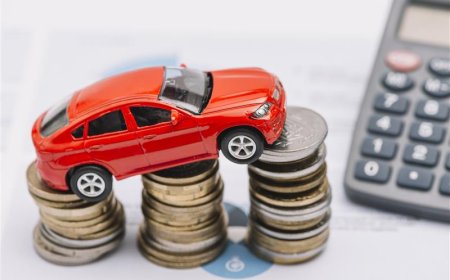
How much a PET preform costs depends a lot on how much material is used, how much energy it takes, and how well the production line runs. For items aimed at rural areas, the profit is lower, so every bit of PET has to count. Making preforms lighter, while keeping them strong, is super important for selling to rural buyers.
This is why people are coming up with lighter designs, mixing materials, and making better molds. But really light preforms can be weaker, not able to handle being crushed, and they might not work with the cheap blow molding machines that local bottlers use. Getting the sweet spot between weight, cost, and how well it works means knowing a lot about materials and being good at design.
For a plastic maker, this balance decides how they price things. They want to sell cheap packaging to rural shoppers who watch their wallets, but they also need to make cash. They do this by making big batches, wasting as little material as possible, and speeding up production without messin' with quality.
How Delivery Changes Things
Getting stuff out to rural areas can be tough. There aren't always good roads, and sometimes it's only easy to get to them during certain times of the year. So how big and heavy the packaging is matters a bunch, not just for how much the product costs but also for how easy it is to deliver.
Preforms that are light and small can really cut down on delivery costs and let you ship more at once. This is key for getting stuff to faraway places where you can't restock shelves very often. Preforms for rural areas are often made to fit as much as possible in a space and easy to pile up when moving them.
Also, how much people buy in the countryside can change a lot. It depends on when farmers get paid, local events, and what the weather's like. Companies have to keep this in mind when they're planning production. This affects when they switch out molds, how much stuff they keep in storage, and how they get the materials they need.
A plastic company that makes preforms based on these changing patterns can get ahead by not keeping too much extra stuff around and cutting down on storage costs.
Getting Your Name Out There By Changing Pack Size
Folks in rural areas are paying more attention to brands, but they usually pick what's available, what they can afford, and what works for them. Having packaging that's designed well and cheap can really help get people to know and like your brand in rural spots.
PET preforms can be made in all sorts of shapes, sizes, and volumes, so brands can try out different packaging that fits local habits. For example, small packets or tiny PET bottles might be more appealing than big packs for families in rural areas. These small sizes make it easier for people to try a product for the first time without spending a lot, and they sell better in smaller stores or roadside stands.
Being able to make packaging smaller without losing the brand's look or how well it works is a big deal for companies. This is where a plastic company can be a big help, offering not just preforms but also advice on design, making prototypes, and doing small test runs for new rural packaging.
Thinking Green in the Countryside
Thinking about the environment is important everywhere, but it needs extra thought in rural packaging. Rural areas often don't have good recycling programs, so it's hard to know what happens to packaging after it's used. So, it's super important to make PET preforms that not only use fewer materials but are also easy to pick up, crush, and recycle if recycling becomes an option.
Also, groups, governments, and programs that care about the environment are really pushing for green packaging in rural areas, like using recycled PET and materials that break down on their own. But cost is still a big issue in rural markets, so companies need to find ways to be sustainable without spending too much.
People are looking into ways to make preforms better, like making them lighter with recycled PET or coming up with bottles that can be refilled. It's not super common yet, but it's getting more popular as people learn more about environmental problems.
Plastic makers who put money into finding new sustainable preform options that are good for rural areas will most likely be at the front as rules get stricter and brands take on more responsibility in the years ahead.
Tech and Machines in Making Preforms for Rural Areas
Tech is a big part of hitting both goals of being cheap and making custom stuff for rural packaging. Molds with lots of cavities, robots that are super accurate, and ways to check quality in real-time are helping companies make lighter preforms in large amounts without messin' with how consistent they are.
Also, computer programs that can guess how much stuff will be needed, AI that can find problems with molds, and smart ways to keep track of inventory are helping companies react quickly to changes in demand in the countryside. Going all-in on machines costs a lot, but doing upgrades little by little lets companies pick and choose what works for them when it comes to making stuff for rural areas.
Using tech also helps keep better track of things, which is important when selling stuff like bottled water or cooking oil in rural areas. Knowing where batches come from, what materials were used, and how things were made builds trust and opens doors for selling directly to customers, even in smaller towns.
Plastic companies that add smart machines and use data wisely are in a better spot to offer preform options that are fast, flexible, and cheap to brands that want to sell to the countryside.
Visit: Plastic Manufacturing Company
Looking at Things Differently
Rural areas aren't just an afterthought. They're a place for brands to grow across different businesses. With billions of people living outside cities, there's a ton of possibility, as long as companies can figure out what these areas really need and give it to them. When it comes to plastic packaging, PET preforms are a big part of this.
Making the right preform for rural markets isn't just about makin' it smaller or cheaper. It's about knowing habits, what things are available, how much people can spend, and what the local culture is like. It takes careful planning, smart costing, and, most of all, being able to change.
For a plastic company that's ready to try new things and work with others, demand in the countryside is a great place to test packaging that's sustainable, can be made in large amounts, and makes a difference. By thinkin' about the preform from the point of view of rural areas, companies can not only stay important but also lead the way in changing how packaging meets people, no matter where they are.