


















How Android App Development Works: A Step-by-Step Overview
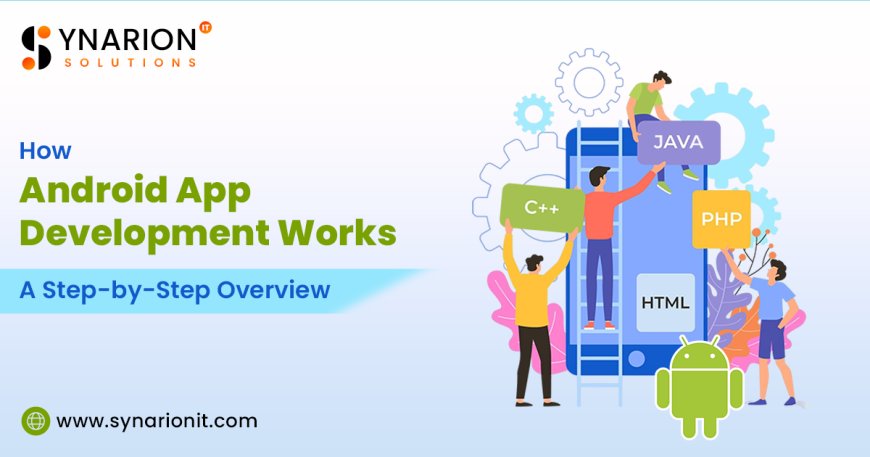
In todays mobile-first world, Android is the dominant platform, powering over 70% of smartphones globally. From entertainment to e-commerce, Android apps are transforming how people live, work, and interact with brands. If youre planning to build an app for Android users, understanding howAndroid app development works is the first essential step toward success.
This step-by-step overview breaks down the entire Android app development processfrom ideation to deploymentgiving you a clear picture of whats involved and how a skilled Android app development company can help bring your vision to life.
Idea Validation and Requirement Gathering
Every great app starts with an idea. But before jumping into design or coding, its crucial to validate your concept.
During this phase, you (or your chosen Android app development company) will:
- Define the goal of the app
- Identify the target audience
- Research competitors and existing apps
- Determine essential and optional features
- Outline the expected budget and timeline
This step ensures your idea is both feasible and aligned with user needs and market demand.
Wireframing and App Architecture
Once the idea is validated, the next step is to plan the apps structure. Wireframes are simple, black-and-white layouts that show how users will navigate the app.
Key deliverables at this stage include:
- Screen flow diagrams
- UI/UX wireframes
- Basic data models
- App architecture plan
Top Android app development companies often involve UX designers and system architects at this stage to create a smooth, intuitive flow for your app.
UI/UX Design
The user interface (UI) and user experience (UX) can make or break your app. This step transforms the wireframes into visually compelling, interactive designs that align with your brand and enhance usability.
Designers will work on:
- Color schemes, fonts, icons, and layout
- Interactive elements like buttons and swipes
- High-fidelity mockups for Android devices
- Prototyping tools to simulate app flow
Since Android supports a wide range of screen sizes and resolutions, professional designers follow Material Design Guidelines to ensure consistency and compatibility.
Front-End and Back-End Development
Now its time to start the actual Android app development. This stage includes writing code for both the front-end (user-facing part) and the back-end (server, database, APIs, and logic).
Front-End Development Includes:
- Creating UI elements in Kotlin or Java
- Integrating layouts, menus, and animations
- Adding features like GPS, camera, media player, etc.
- Ensuring responsiveness across Android devices
Back-End Development Includes:
- Setting up databases (Firebase, MySQL, MongoDB)
- Creating server-side logic (Node.js, Python, PHP, etc.)
- Building and connecting RESTful APIs
- User authentication, payments, and cloud storage integration
A full-service Android app development company will usually have separate teams handling front-end and back-end development to ensure efficiency and quality.
Testing and Quality Assurance (QA)
Before launching your app, its critical to test it thoroughly across devices, operating systems, and usage scenarios.
Testing methods include:
- Functional Testing Verifies that features work correctly
- UI Testing Ensures interface behaves as intended
- Performance Testing Measures speed, responsiveness, and battery usage
- Security Testing Checks data protection and app permissions
- Device Testing Runs the app on multiple Android phones and tablets
Leading Android app development companies use automated testing tools like Espresso or Appium along with manual QA to catch every possible issue before release.
Deployment to Google Play Store
Once testing is complete, your app is ready for launch. Deployment involves:
- Creating a Google Play Developer account
- Generating a signed APK or AAB (Android App Bundle)
- Writing metadata: app title, description, screenshots, tags, and categories
- Uploading assets: icon, feature image, and promotional video (optional)
- Publishing the app and setting pricing (free or paid)
The Play Store typically reviews new submissions within 2448 hours. A professional Android app development company ensures all guidelines are followed for a smooth publishing process.
Post-Launch Maintenance and Updates
Android app development doesnt stop at launch. Once users start downloading your app, youll need to monitor its performance, fix bugs, roll out new features, and keep up with Android OS updates.
Ongoing support includes:
- Monitoring crashes and error logs
- Adding new features based on user feedback
- Updating for new devices and Android versions
- Implementing security patches and performance optimizations
This is where long-term support from your Android app development company becomes invaluable.
Choosing the Right Android App Development Company
Selecting the right development partner can make all the difference. Heres what to look for:
- Proven experience in Android app development
- A strong portfolio of successful apps
- Expertise in Kotlin, Java, and Android SDK
- Skilled UI/UX design and quality assurance teams
- Transparent pricing and communication
Many companies offer end-to-end development, from strategy and design to launch and maintenancemaking it easier for you to focus on your business while they handle the technical execution.
Conclusion
Understanding how Android app development works empowers you to make better decisions, whether you're a startup founder or a business leader launching a new mobile product. From planning and design to coding, testing, and launcheach step requires careful attention and technical know-how.
Partnering with a reliable Android app development company ensures that your app not only functions smoothly but also delivers a great user experience and scales with your business. In 2025 and beyond, Android apps will continue to play a pivotal role in digital strategymake sure yours stands out.