


















Quan Thanh Temple: Hanoi’s Ancient Guardian of the North
In the heart of Hanoi, near the peaceful banks of West Lake, lies one of the city’s most revered and historic spiritual landmarks—Quan Thanh Temple.

In the heart of Hanoi, near the peaceful banks of West Lake, lies one of the citys most revered and historic spiritual landmarksQuan Thanh Temple. With a history that spans over a thousand years, this temple is more than just a religious site; it is a powerful symbol of Vietnamese culture, tradition, and spiritual resilience. Every year, thousands of locals and tourists alike visit Quan Thanh Temple not only to admire its ancient architecture but also to seek blessings, peace, and a deep sense of connection with the past.
The temple is dedicated to Tran Vu, the guardian deity of the North in Vietnamese Taoism. Revered for his power to control the elements and ward off evil spirits, Tran Vu has been worshipped here since the 11th century, during the reign of Emperor Ly Thai To. The temples sacred role in protecting Hanoi and its people has made it a key part of the citys spiritual life for generations.
A Timeless Structure at the Edge of West Lake
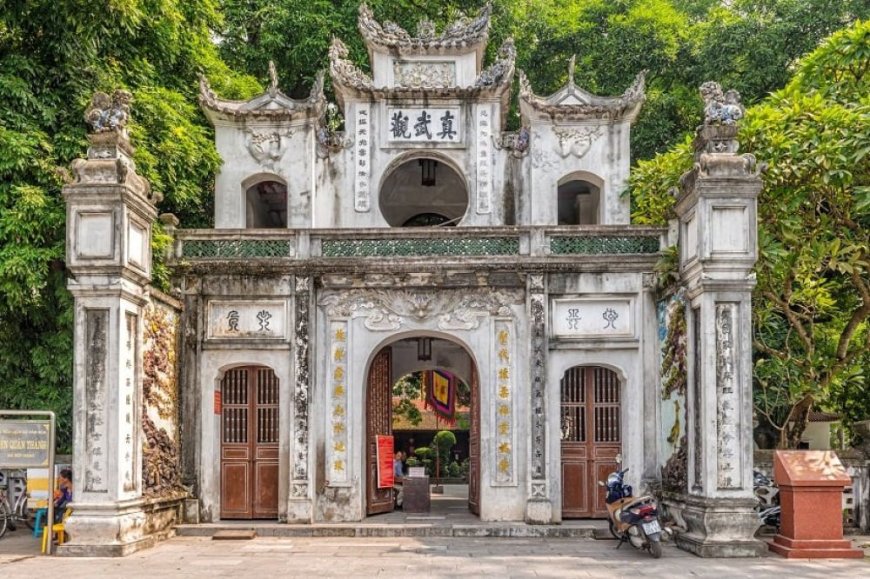
One of the first things that strikes visitors to Quan Thanh Temple is its peaceful setting. Located near the edge of West Lake, the largest lake in Hanoi, the temple is surrounded by gentle water, tall trees, and open skies. This setting creates a calm and spiritual atmosphere, offering a quiet escape from the energy of the nearby Old Quarter. The entrance to the temple features a traditional gate with intricate carvings and majestic guardian statues that welcome you with silent strength.
As you step inside, the temple reveals its historical beauty. Built with dark wood, weathered stone, and ancient tiles, the structure speaks of centuries of devotion and care. The temple's interior houses the famous statue of Tran Vu, a black bronze figure weighing almost four tons and standing nearly four meters tall. Created in the 17th century, this statue is a masterpiece of Vietnamese bronze casting and craftsmanship. It shows the deity in a seated position, calm yet powerful, holding a serpent-entwined sword that represents his control over evil forces.
Visitors often feel a strong spiritual energy here. The scent of incense, the gentle chanting of prayers, and the soft light that filters through old wooden beams all add to the sense of calm and reverence that fills the space. Many locals come to pray for health, protection, and peace, especially during important festivals or life milestones.
History and Cultural Significance Through the Ages
Quan Thanh Temple is not just an old buildingits a living symbol of Hanois rich cultural and spiritual heritage. Originally built in the early 11th century, the temple has been restored and rebuilt many times over the centuries due to natural wear and changes in ruling dynasties. Despite these changes, its role as a northern guardian has remained unchanged. It has stood through wars, colonial rule, and modern development, serving as a steady anchor for Hanois people.
During the feudal period, the temple was considered one of the Four Sacred Temples that protected the city from spiritual harm. Each temple stood in one directionNorth, South, East, and Westand Quan Thanh, protecting the North, was especially important due to its symbolic association with strength and protection.
The temple also represents the harmony between nature and spirit in Vietnamese beliefs. Located by the lake and surrounded by nature, it shows the traditional belief that spiritual places should blend with the environment. This idea continues to be important in Vietnamese architecture and philosophy today.
A Place of Reflection for Modern Travelers
For todays visitors, Quan Thanh Temple offers more than a history lessonit provides a moment of peace and reflection in the heart of a busy city. Whether you are spiritual or not, the experience of walking through the temples courtyards, observing its quiet rituals, and soaking in its ancient atmosphere is deeply moving. It invites people to slow down, breathe deeply, and connect with something timeless.
Many tourists come to the temple after visiting nearby attractions such as Tran Quoc Pagoda or the Presidential Palace, since all are located near West Lake. However, Quan Thanh offers something more personal. Unlike crowded tourist spots, the temple remains relatively quiet, especially during weekdays. This makes it an ideal place to sit, reflect, or take in the details of the carvings, statues, and serene surroundings.
Photography is allowed, but its important to be respectful. Modest clothing is recommended, and visitors are encouraged to lower their voices and move gently within the temple. Offering a small donation or lighting an incense stick is a simple but meaningful way to participate in the temple's spiritual tradition.
How to Visit and What to Expect
Reaching Quan Thanh Temple is easy if youre staying in central Hanoi. Its located on Thanh Nien Street, between West Lake and Truc Bach Lake, making it a lovely area to explore on foot. The temple is open daily, usually from early morning to late afternoon. There is a small entrance fee, which goes toward the upkeep of the site.
Plan to spend at least an hour here to truly appreciate the temples atmosphere and explore its inner sanctums. Many visitors enjoy combining their temple visit with a walk around West Lake, a boat ride, or a stop at a local caf overlooking the water. The peaceful vibe of the whole area enhances the spiritual calm that Quan Thanh Temple naturally provides.
The temple is also a vibrant spot during festivals, particularly during Tet (Vietnamese Lunar New Year), when it is beautifully decorated with flowers and lanterns. Locals come in large numbers to pray for a lucky and healthy year ahead, and the temple pulses with energy, music, and ceremonial offerings.
Final Reflections on Quan Thanh Temple
In a city filled with fast-paced change, Quan Thanh Temple offers a rare and sacred window into Vietnams past. It stands not just as a beautiful architectural site, but as a guardian of memory, spirituality, and peace. Whether you are drawn by curiosity, art, or the need for a quiet space, this temple will give you an experience to remember.
It reminds us that some of the most powerful places are not the loudest or most modernbut those that have quietly stood through time, gathering stories, prayers, and hopes from every generation. Quan Thanh Temple continues to be such a placeunshaken, welcoming, and always ready to share its quiet wisdom with those who enter its gates.
So when in Hanoi, take the time to walk through the temples ancient corridors, stand beside the statue of Tran Vu, and watch the incense smoke rise gently into the sky. You may find yourself not only learning about Vietnams history, but also feeling more grounded in your own journey.