




















Unveiling Hanoi’s Soul: A Journey to the Temple of Literature
In the heart of Vietnam’s capital city lies a timeless treasure that has captured the imagination of visitors for centuries—the Temple of Literature.

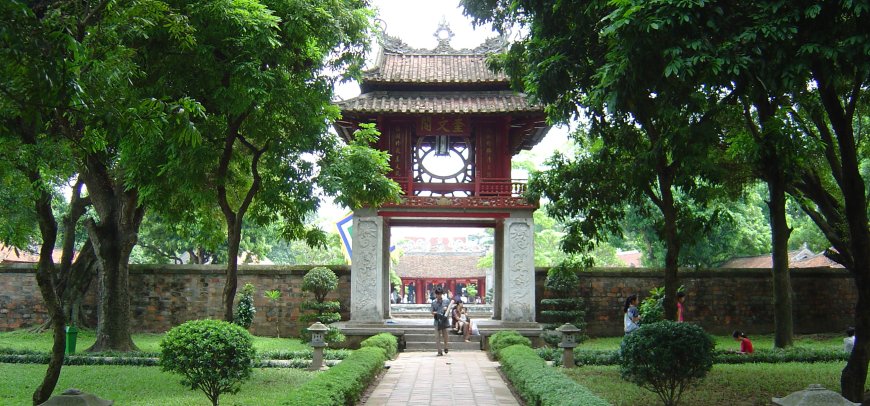
In the heart of Vietnams capital city lies a timeless treasure that has captured the imagination of visitors for centuriesthe Temple of Literature. More than just a historical site, this temple represents the rich intellectual and spiritual heritage of Vietnam. Built in 1070, it was originally dedicated to Confucius, and later became Vietnams first national university. Today, it remains a symbol of learning, tradition, and Vietnamese pride, making it a must-visit for anyone traveling to Hanoi.
As soon as you step through its ancient gates, you're transported to a different era. The temples layout is a harmonious blend of traditional Vietnamese architecture, lush gardens, and peaceful courtyards. This sacred place has seen scholars, kings, poets, and students walk its paths. Its where knowledge was honored and education deeply respectedvalues that still resonate in Vietnamese society today.
A Walk Through Time: The History Behind the Temple
The Temple of Literature was founded by Emperor L Thnh Tng and dedicated to Confucius and his disciples. Later, under Emperor L Nhn Tng, it became Vietnams first university, known as the Imperial Academy. Here, elite students, many of them from noble families, studied Confucian texts and classical literature to prepare for royal examinations. Success in these exams could lead to high-ranking positions in the imperial court.
The temple has five courtyards, each reflecting different aspects of education and Confucian philosophy. Youll find ponds symbolizing clarity of mind, pavilions representing wisdom, and stone stelae inscribed with the names of past scholars. These stelae are placed on the backs of stone turtlescreatures that in Vietnamese culture symbolize endurance and intelligence.
Though centuries have passed, the respect for knowledge, tradition, and self-cultivation that the temple represents is still deeply felt. Even today, Vietnamese students often visit the site before important exams, offering incense and prayers for academic success.
The Beauty and Symbolism Within the Temple
The Temple of Literature is not only a place of history but also one of exceptional beauty. The traditional architecture is a perfect example of Vietnamese design, with curved tiled roofs, wooden beams, and intricate carvings. Everything here feels purposefulfrom the layout of courtyards to the placement of gates and pavilions, each holding symbolic meaning.
One of the most photographed spots is the Khue Van Pavilion, an elegant structure that has become an iconic symbol of Hanoi. With its red pillars and circular windows, it represents the beauty of literature shining brightly like a star. Surrounding it, manicured gardens and lotus ponds create a tranquil environment, offering a moment of peace amid the citys bustle.
As you wander through the courtyards, the scent of incense drifts through the air, monks chant softly, and the atmosphere feels contemplative. It's not hard to understand why this sacred place continues to inspire both locals and international visitors alike.
Why the Temple of Literature Still Matters Today
In a world of modern skyscrapers and fast-paced lives, places like the Temple of Literature remind us of the value of learning, patience, and cultural identity. For the people of Vietnam, its not just a tourist attractionits a symbol of the nations dedication to education and intellectual achievement.
Hanoi has grown into a modern capital, but this temple stands as a graceful counterpoint. It anchors the city in its roots, reminding young generations of the importance of studying and personal growth. In fact, the temple is often the site of graduation photos and school ceremonies, linking the past to the present in meaningful ways.
For international travelers, visiting the Temple is an opportunity to understand Vietnam beyond its beautiful landscapes and delicious food. It opens a window into the countrys soulits reverence for learning, family, and cultural traditions. And in doing so, it leaves a lasting impression far deeper than any postcard or souvenir could.
Visiting the Temple: What You Should Know
If youre planning a trip to Hanoi, make sure the Temple of Literature is high on your list. Its easily accessible from most parts of the city and provides a calm retreat from the busy streets. The entrance fee is modest, and youll find informative displays in English, helping you connect with the stories behind the site.
Morning is the best time to visit, especially if you prefer a quieter atmosphere for reflection or photography. The site isnt large, but youll want to spend at least an hour or two to truly appreciate its architecture and the history it holds. There are small shops nearby for local crafts and books, and many cafes where you can enjoy a Vietnamese coffee afterward.
Photography is allowed, but its important to be respectfulthis is still a spiritual site for many. Dress modestly and avoid loud behavior. The temple isnt just a relic of the pastits a living reminder of the values that continue to shape Vietnam today.
Final Reflections on Hanois Timeless Landmark
To step into the Temple of Literature is to step into a narrative that spans nearly a thousand years. It's where the past meets the present, where ancient wisdom meets modern curiosity. Unlike many attractions that only offer visual appeal, this temple offers something deeperan emotional and intellectual connection to the soul of a nation.
Whether you're a history enthusiast, a student of culture, or simply someone looking for a meaningful travel experience, the Temple of Literature will not disappoint. Its a place where time slows down, where silence speaks, and where the pursuit of knowledge is eternally honored. In a world that's always rushing forward, this timeless temple invites you to pause, reflect, and remember the power of learning.